

Lauren’s Story
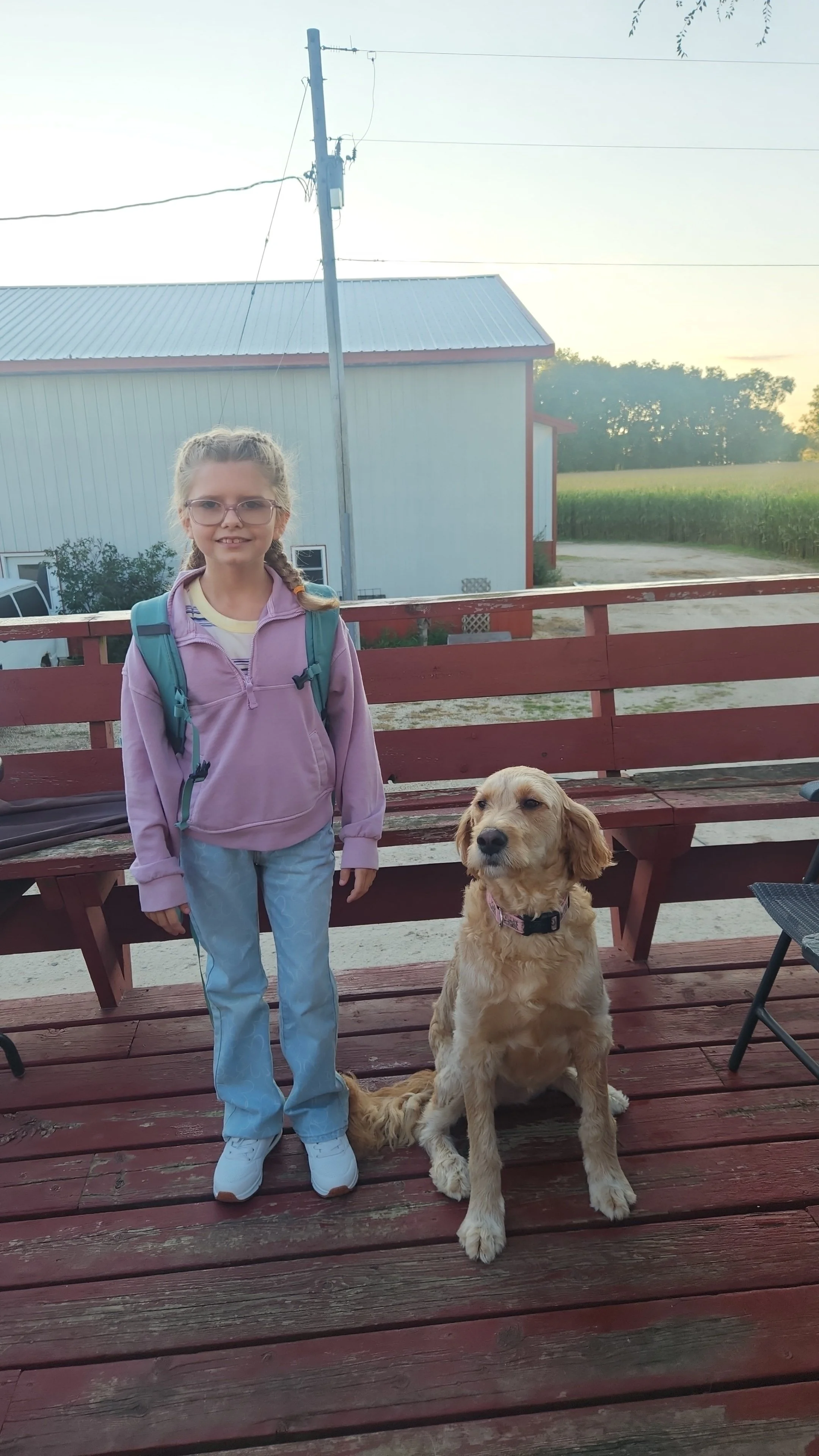
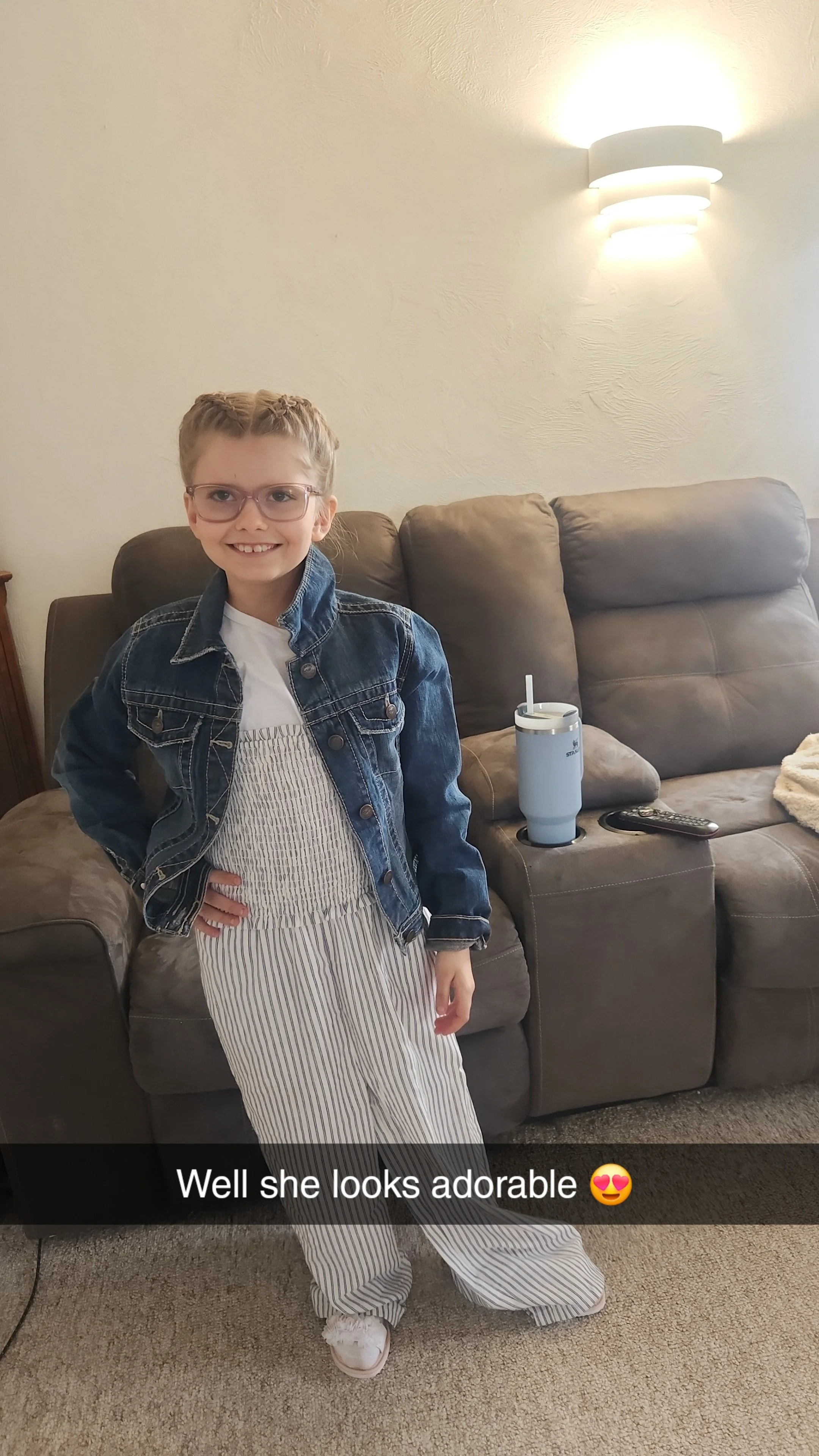
Lauren is a bright, resilient 9-year-old from Louisiana who was diagnosed last year with a CACNA1A genetic deletion, resulting in episodic ataxia type 2. Her mom, Dawn, describes Lauren as a child who never lets anything get her down and always tries her hardest—no matter what challenges she’s facing.


History
From early on, Dawn knew something wasn’t right. Lauren wouldn’t use her legs as a baby, didn’t crawl until after age one, and didn’t walk until she was about 18 months old. When she started walking, she was very wobbly and had noticeable low muscle tone. Doctors reassured Dawn that Lauren would “get it eventually” and that she might just not be the fastest runner or most athletic kid.
Because Dawn herself has migraines, doctors repeatedly attributed Lauren’s symptoms to migraines as well. “As soon as I said yes, I get migraines, that was it,” Dawn recalls. “They’d say, ‘Yep, that’s what she has.’ But I knew it was different. I have migraines—I can still walk, function, and do normal things. She couldn’t.”
Dawn writes that she kept telling doctors something was wrong, but felt like they thought she was crazy. Multiple doctors reassured her that Lauren “might not be the fastest runner or a sports girl, but she will get it.” Finally, Dawn was the one who pushed for MRIs, EEGs, bloodwork, and genetic testing. “I told them I didn’t care if insurance covered it or not—this would be another thing we could check off our list.” She was surprised when the results came back positive for a CACNA1A variant.
The hardest part of this disease for Lauren has been her ataxia and migraines, which are severe and unpredictable. During an episode, she is unable to stand, can’t hold her head up, and vomits frequently. Triggers aren’t always clear. Dawn has tried food journals and tracking patterns, but nothing consistently lines up. Noise, bright lights, excitement, and heat all seem to play a role at times—but not always. Lauren gets a migraine nearly every year during trick-or-treating and at Fourth of July celebrations, and bright, noisy environments like arcades have triggered episodes during family trips.
To help manage this, the family has tried:
Neck fans and portable fans for heat sensitivity
Noise-canceling headphones for loud environments
Careful planning around overstimulation
Luckily, Lauren is incredibly self-aware and knows when she needs her headphones or to rest. Sometimes the sick feeling passes quickly, but once an episode starts, there's no going back. She's down for the rest of the day/night…unable to walk, can barely hold her head up, needs a bucket, and is just miserable.
Lauren now takes acetazolamide for her ataxia and migraines, and the improvement has been significant. She went from experiencing 3–7 episodes a week (almost daily) to about two episodes per month—a life-changing difference for both Lauren and her family.
Unfortunately, since starting acetazolamide, Lauren has now also been labeled as failure to thrive. The medication seems to have affected her growth, as she hasn’t grown in height or weight for over a year. They recently lowered to dose to help with this.
Diagnoses
Episodic Ataxia Type 2
Migraines
Developmental delay (gross and fine motor)
Hypotonia
Variant: Not submitted - Pathogenic partial deletion
Education
School has been another uphill battle. Lauren struggles with reading and math, balance, stamina, and fine motor skills—things like tying her shoes remain difficult. Dawn pushed for years to get the support she needed, only to be told repeatedly, “She’s not our lowest child.”
It took one exceptional fourth-grade teacher who truly saw Lauren and fought alongside Dawn. Together, they finally secured an IEP, a major milestone after years of advocacy. Dawn notes that Lauren has spent more than half her life sick, and that delay matters.
Moving Forward
Despite everything, Lauren’s spirit is unshakable. She never lets her episodes, her gait, or being “different” define her. She has wonderful friends who instinctively protect and support her. If Lauren feels sick at school, her friends immediately grab her hand and help her get to a teacher or the nurse.
One moment stands out to Dawn: her amazing teacher called to tell her that during recess one day, a boy repeatedly tagged Lauren during a game of tag because she was the “easiest target.” Just as the teacher was about to intervene, five classmates ran up to Lauren and said, “Tag me—I’ll tag him back for you.” The boy stopped immediately. “She had a big Ole smile on her face the entire time,” Dawn says. “Little stuff like that never brings her down, and I hope she stays this way!”
For Those Newly Diagnosed
Dawn hopes that by sharing Lauren’s story, other parents will trust their instincts, push for answers, and know they’re not alone. “My advice to parents is to stay strong and ALWAYS, always push for your child!”