
Colson’s Story
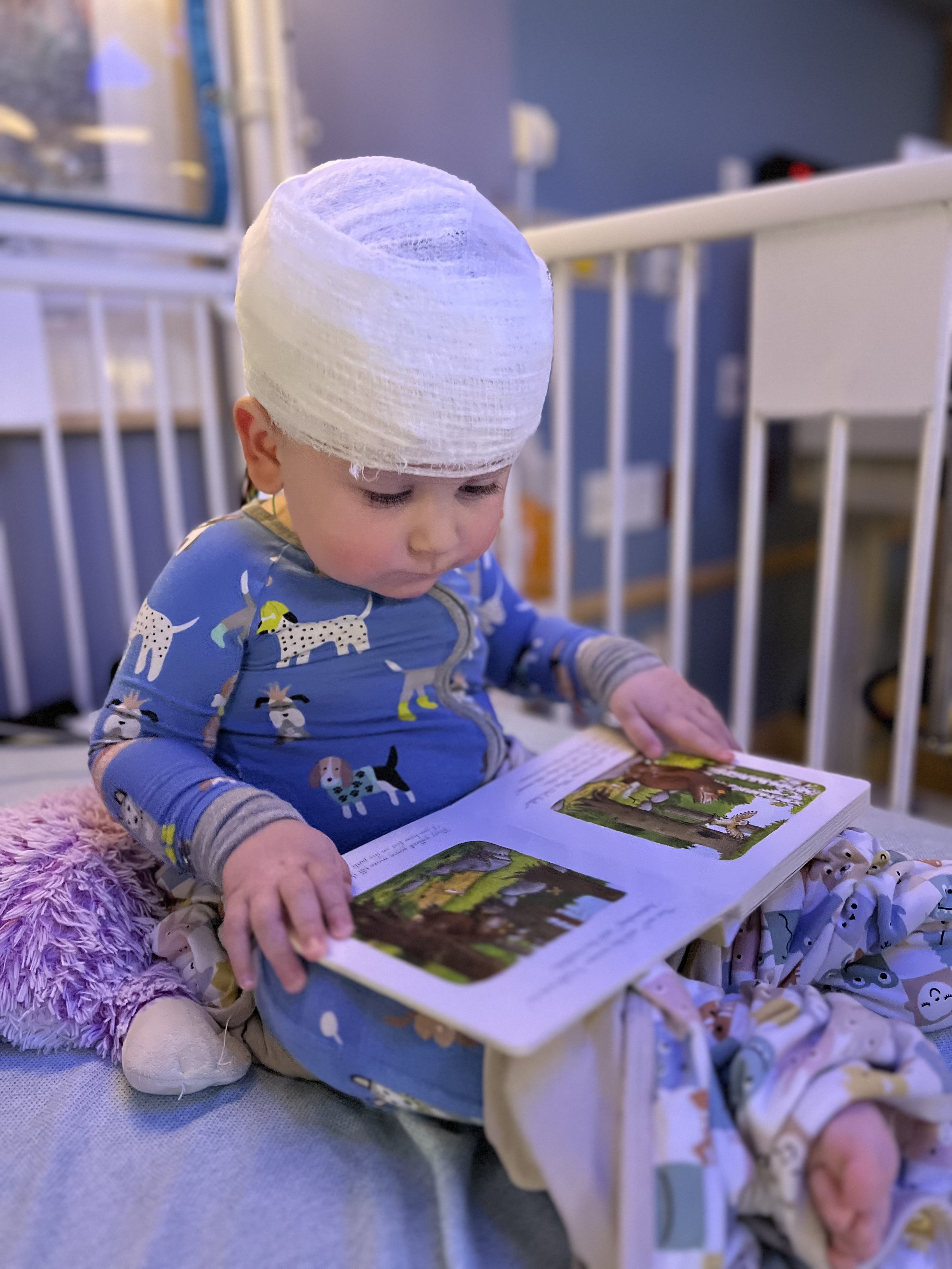
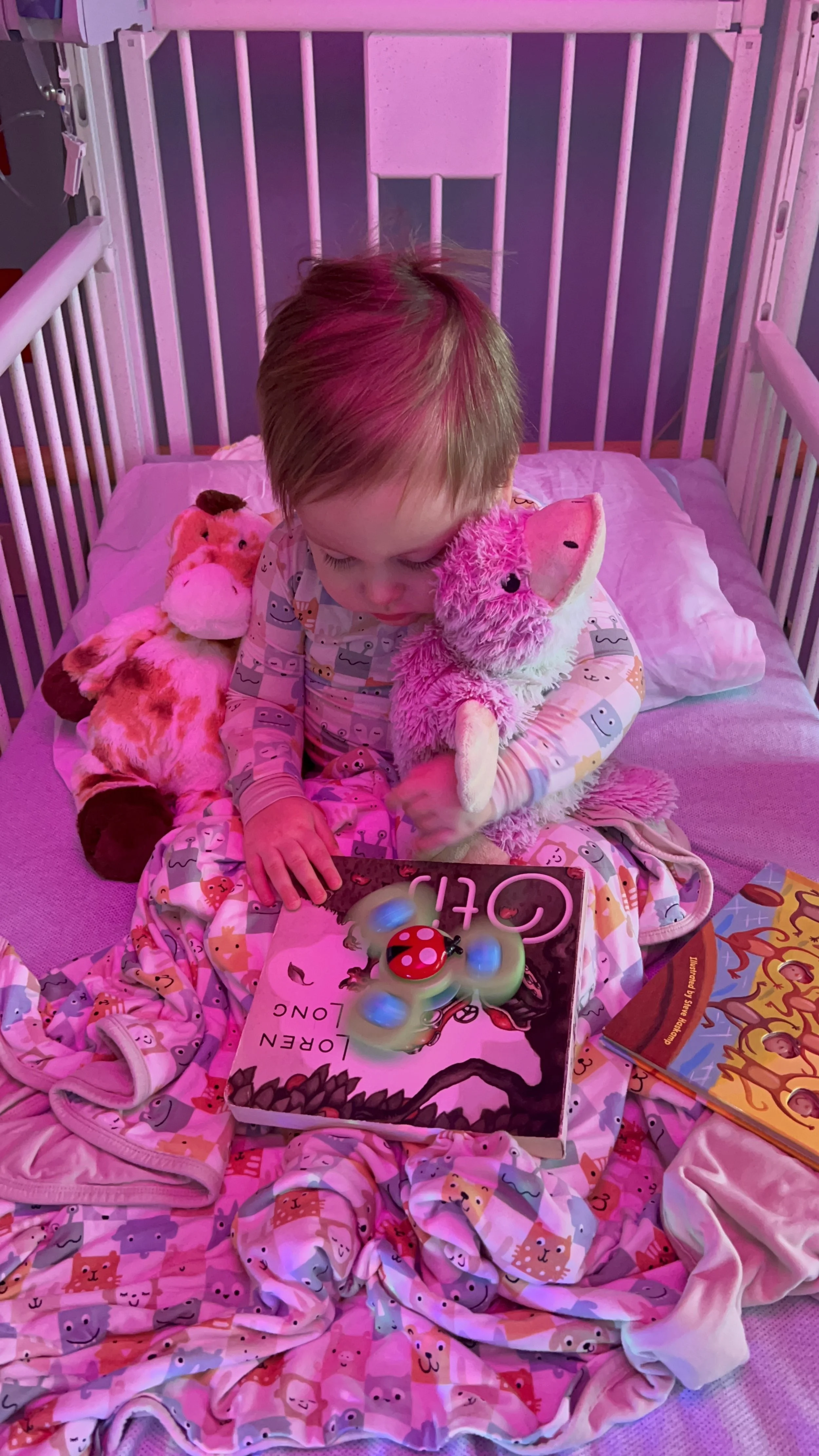
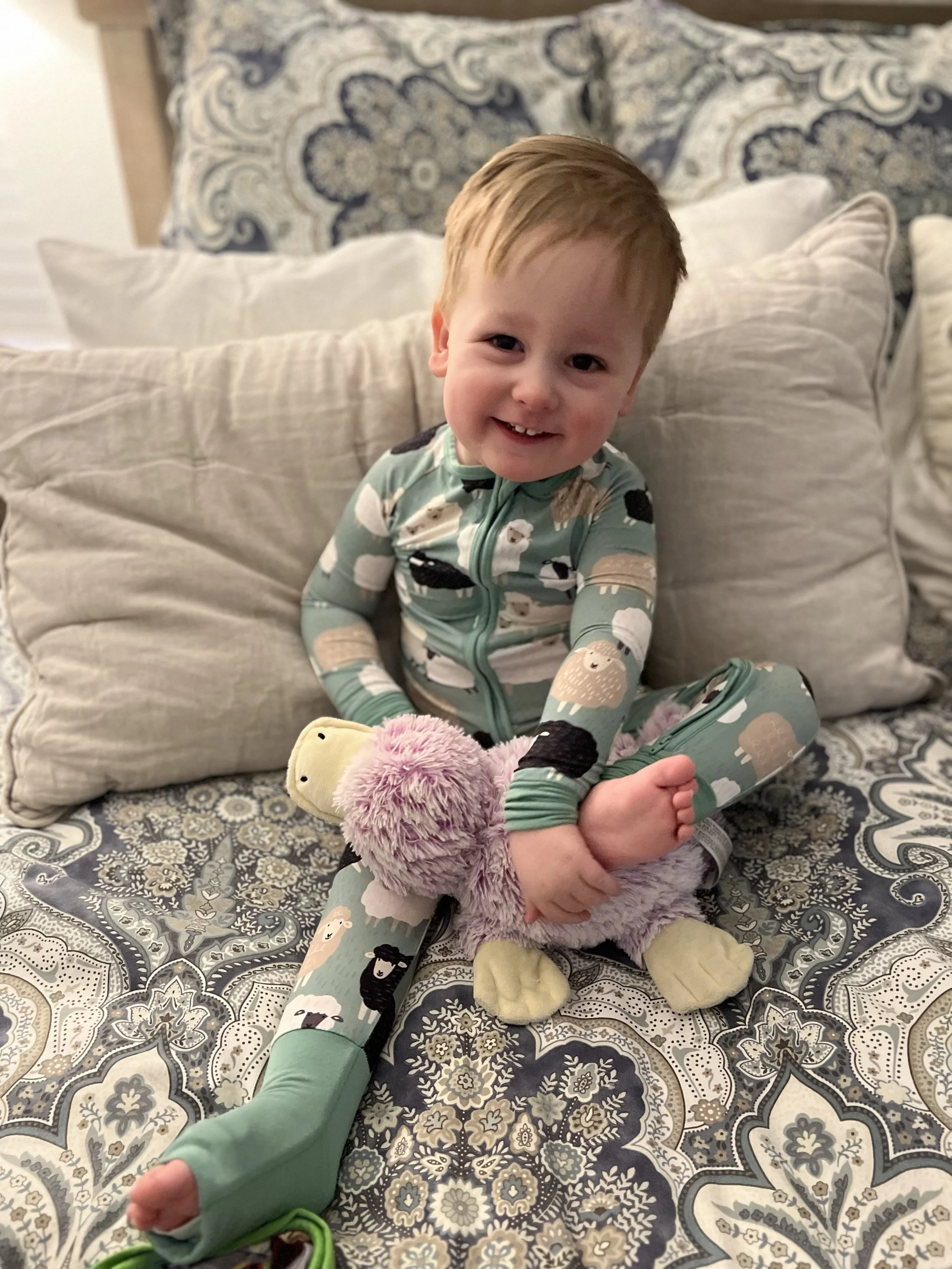
Colson is a happy three-year-old from Madison, Wisconsin. His mom, Amber, says his strengths shine through his joyful personality, determination, and curiosity. He approaches the world with a smile that lights up every room and a persistence that inspires everyone around him. He is observant, playful, and loves exploring his environment — whether it’s through movement, music, or sensory play. While Colson deals with seizures, global developmental delays, hemiplegic migraines, and ataxia, he’s incredibly resilient, adapting to challenges with quiet strength and a sense of calm that reflects his gentle spirit.
Variant: c.1844T>A (p.ile615Asn - I615N)
History
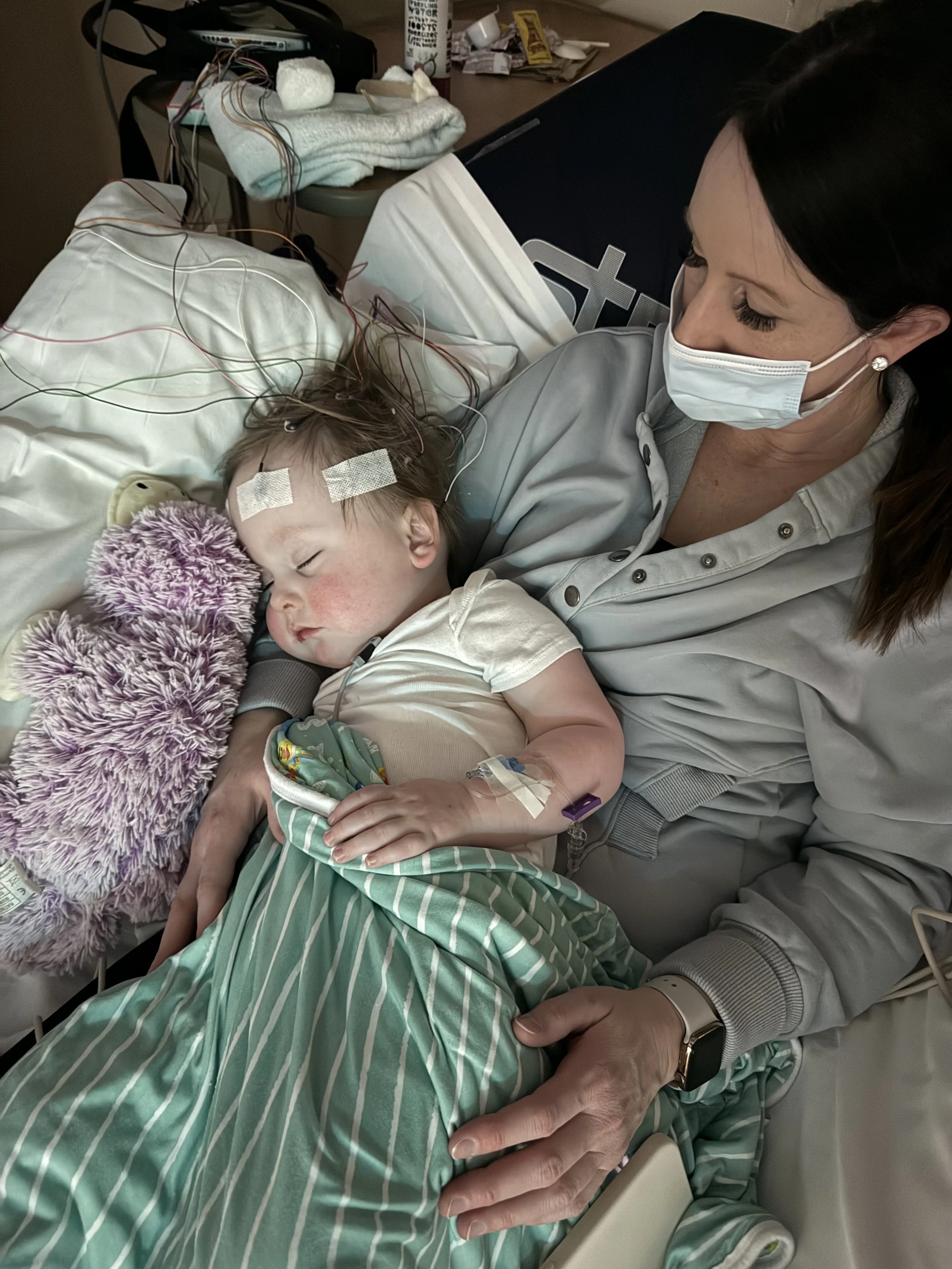
From the very beginning, Colson’s parents sensed something was different. They write, even at birth, we noticed some unique twitching that made us wonder if something might be off. As time went on, those early instincts deepened as we began to see developmental differences between Colson and his twin brother. He showed delays in motor milestones, limited verbal communication, and occasional episodes that didn’t seem typical — moments that left us questioning whether they might be seizures.
We shared our concerns with his pediatrician and were referred to neurology, where we were initially told that Colson’s nervous system was likely underdeveloped due to his premature birth. Still, we couldn’t shake the feeling that something more was happening. What followed was a long and, at times, frustrating journey — one that required persistence, countless appointments, and constant advocacy to navigate a complex medical system and make sure Colson’s needs were fully understood.
Over time, we continued with evaluations, including imaging and EEGs, in search of answers. In March of 2024, after Colson experienced his first and very lengthy seizure, we were finally given the opportunity for genetic testing. The results revealed a pathogenic variant in the CACNA1A gene, which helped explain many of the challenges we had been seeing.
Although the diagnosis was overwhelming at first, it also brought relief and clarity — giving us direction, access to therapies, and the right specialists to help Colson grow, learn, and thrive.
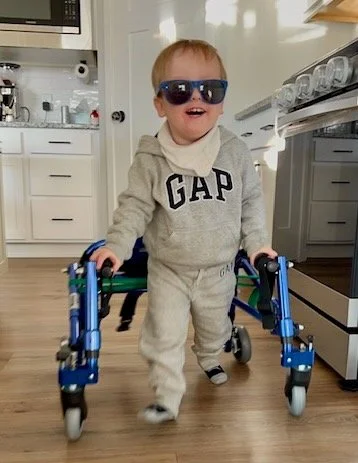
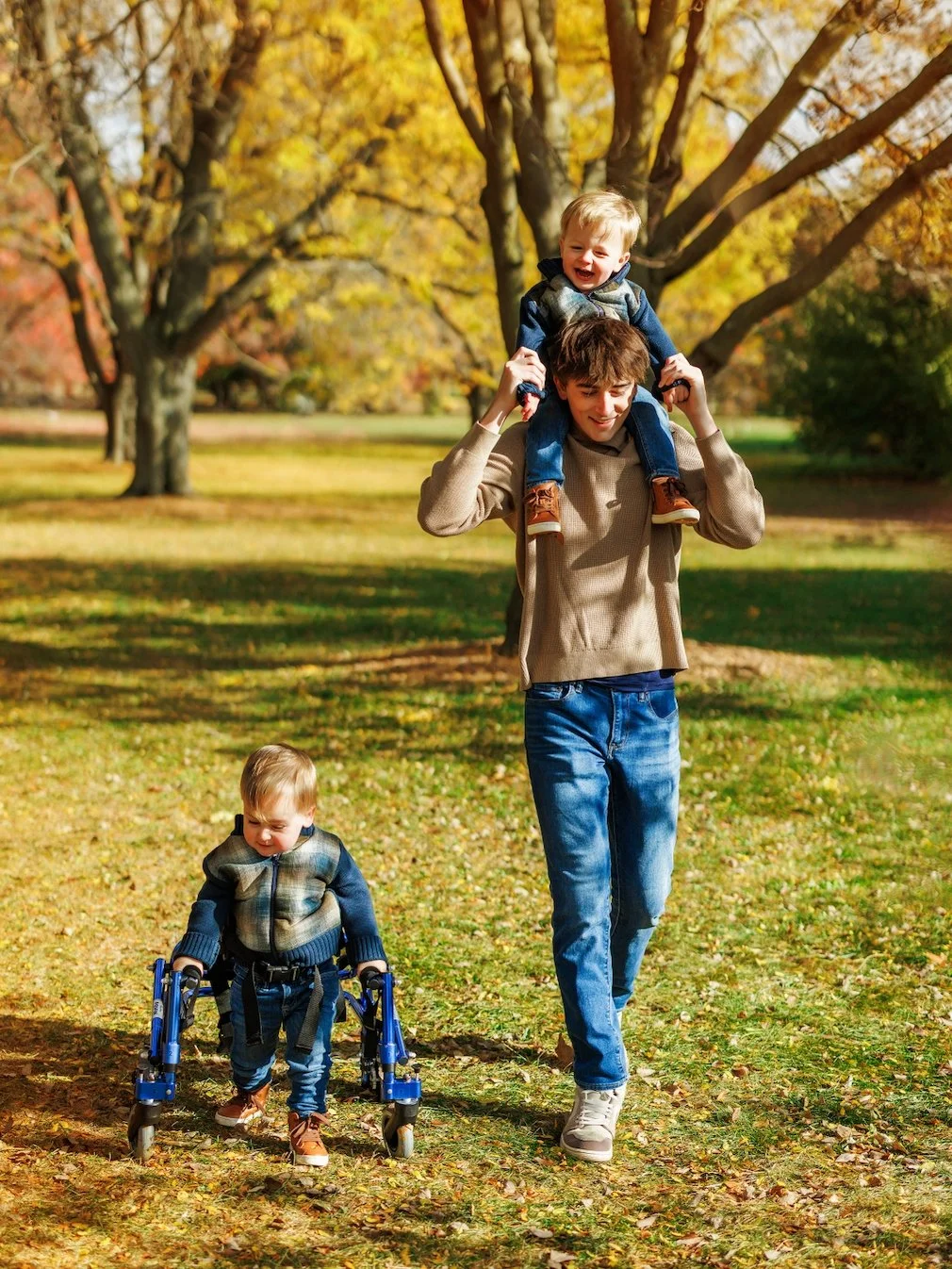
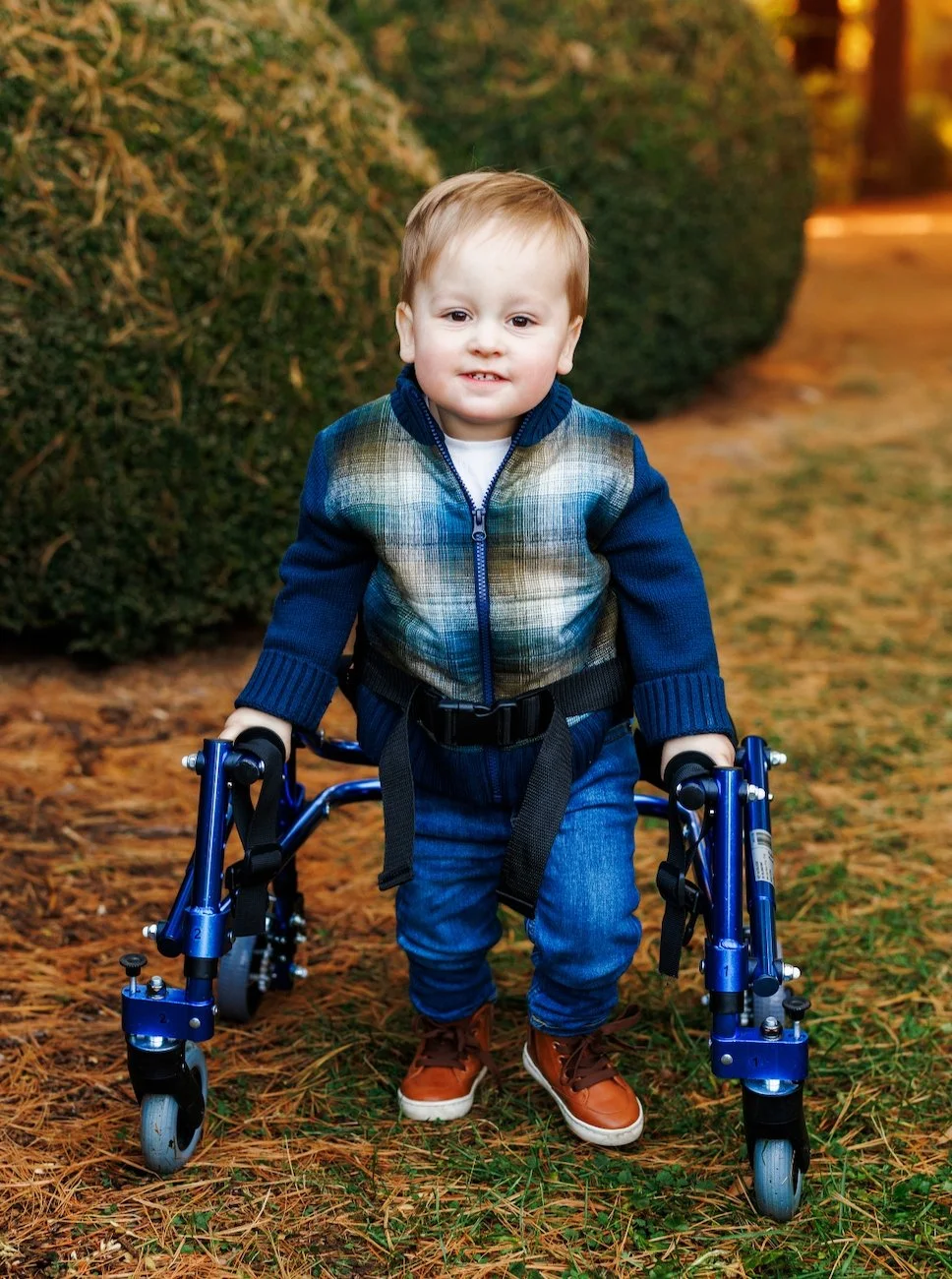
Today, Colson experiences global developmental delays that impact his learning and daily functioning. - including his motor skills, communication, endurance, and sensory processing. He is unable to crawl, transition from sitting to standing on his own, or walk safely without a walker or other physical assistance. Colson tires easily during physical activity and continues to work on improving his coordination, balance, and muscle strength, which influence his ability to move independently and use his hands for play and to perform self-help tasks.
Colson also has significant speech delays. While he understands much of what is said to him, he often struggles to express his wants and needs, which can lead to frustration when others don’t fully understand what he’s trying to communicate. To support his communication, an AAC device has been introduced, giving him new and more consistent ways to share his thoughts and connect with others.
He also experiences sensory differences and benefits from structured routines and calm environments that help him feel safe and regulated. Despite these challenges, Colson continues to make meaningful progress through therapy and support. His curiosity, joyful spirit, and determination shine through each day as he learns, builds new skills, and explores the world around him.
Diagnoses
CACNA1A-related Neurodevelopmental Disorder presenting with seizures, speech and language delays, gross motor delays, fine motor delays, hemiplegic migraines, and ataxia
Delayed visual maturation
Renal Tubular Acidosis Type 1 (a condition where the kidneys fail to properly excrete hydrogen ions into the urine, leading to a buildup of acid in the blood, called metabolic acidosis).
Therapies
Physical, occupational, and speech therapy have truly been game changers in Colson’s progress. Each one, in its own unique way, has helped foster his independence — allowing him to explore his surroundings more freely and express his needs more clearly.
We’re incredibly fortunate to have access to therapy services close to home that offer intensive programs lasting four weeks, four hours a day. It was during one of these intensive therapy sessions that we witnessed some of Colson’s biggest milestones — his first assisted and unassisted steps, his first time riding an adaptive bike, and countless moments that showed us new ways for him to enjoy and interact with his world.
What we didn’t expect was the added gift that came from these sessions — the connections with other families navigating medically complex journeys. Through those relationships, our circle of support has grown into a true community—one we’re endlessly grateful for.
For Those Newly Diagnosed
Take a deep breath. I know this feels like a lot right now. The uncertainty, the medical terms, the emotions — it’s overwhelming. But you are not alone.
This diagnosis does not define your child. They are still the same bright light you’ve always loved. Celebrate who they are and hold on to that joy.
You’ll learn to find beauty in progress that looks different. Every smile, every small step, every connection matters.
Surround yourself with people who understand. Let them walk beside you. You don’t have to do this alone.
Being an advocate takes courage, but it also takes grace. Give that grace to yourself. There will be hard days, but there will also be incredible moments of joy and love that remind you why you keep showing up.
This journey will change you in the most meaningful ways. Hold tight to hope. Celebrate the little things. Love always leads the way.