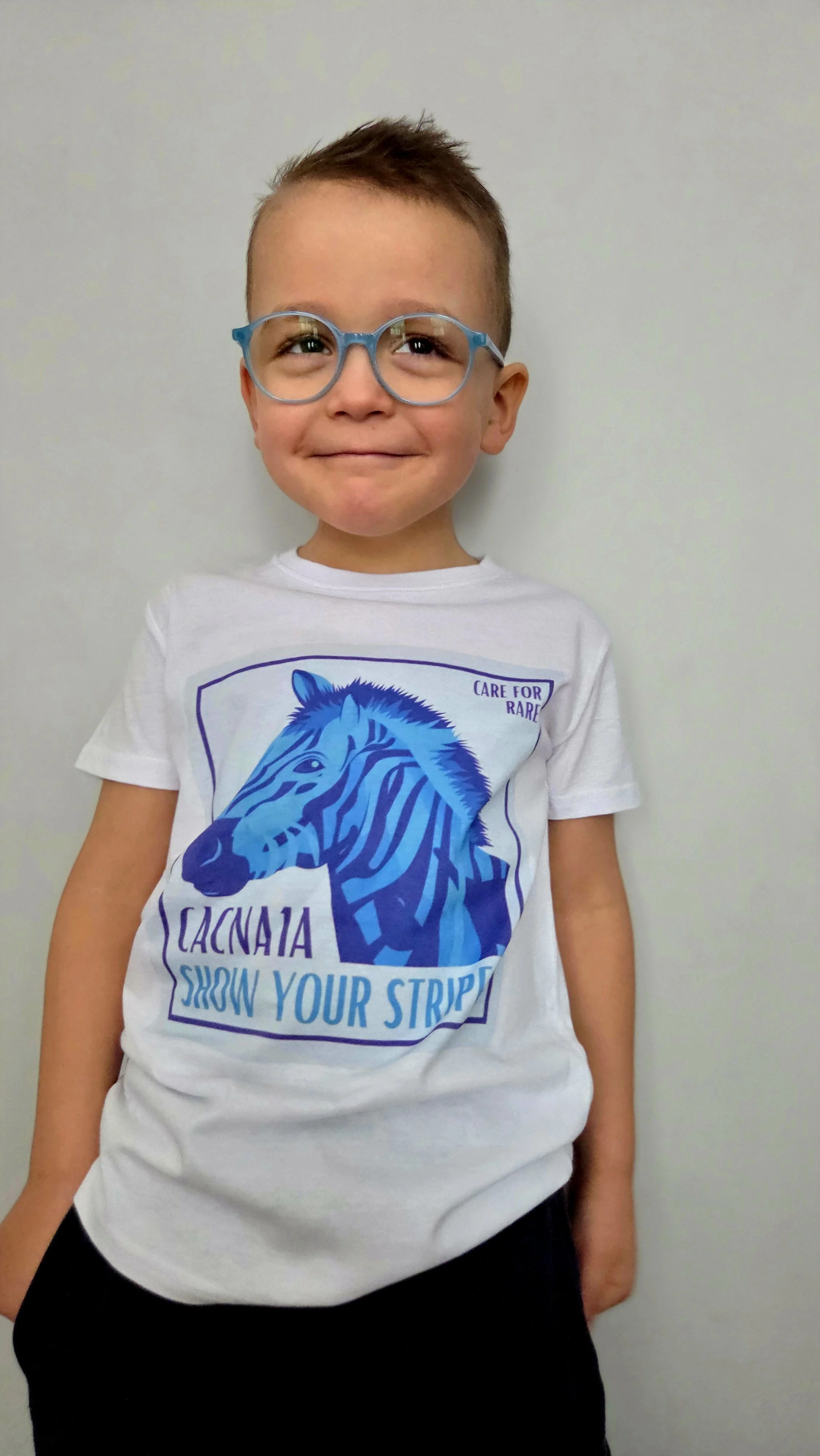
Wojciech’s
Story
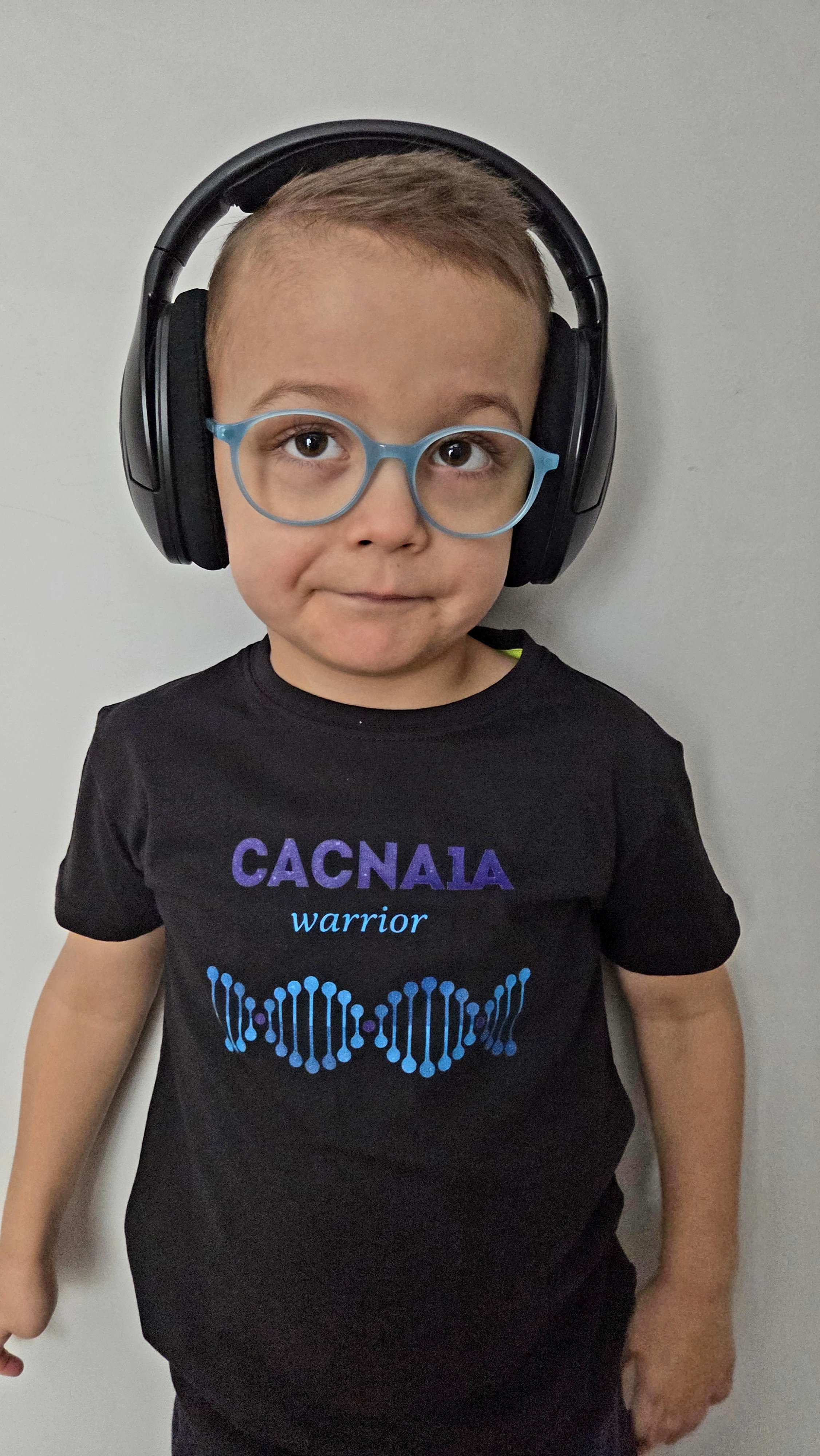
Wojtek is a 5½-year-old boy from Poland who was diagnosed with a CACNA1A-related disorder when he was just 18 months old. His mother, Patrycja, describes him as a resilient and determined little boy who works hard to overcome the challenges he faces.
Variant: c.4250+2del
History
Around 5 months of age, Patrycja noticed her son exhibiting unusual eye movements, specifically looking "upwards" and experiencing "fixations," meaning he would stare at a single point for an extended period. At that time, the family consulted a pediatric neurologist. The diagnostic process was challenging. She explains that they initially consulted a pediatric neurologist who suspected epilepsy. However, after conducting tests, epilepsy was excluded. The neurologist observed atypical eye movements and specific head positioning and concluded that the upward gaze was tonic. This prompted a referral to a geneticist, who ordered genetic testing and found a mutation in the CACNA1A gene.
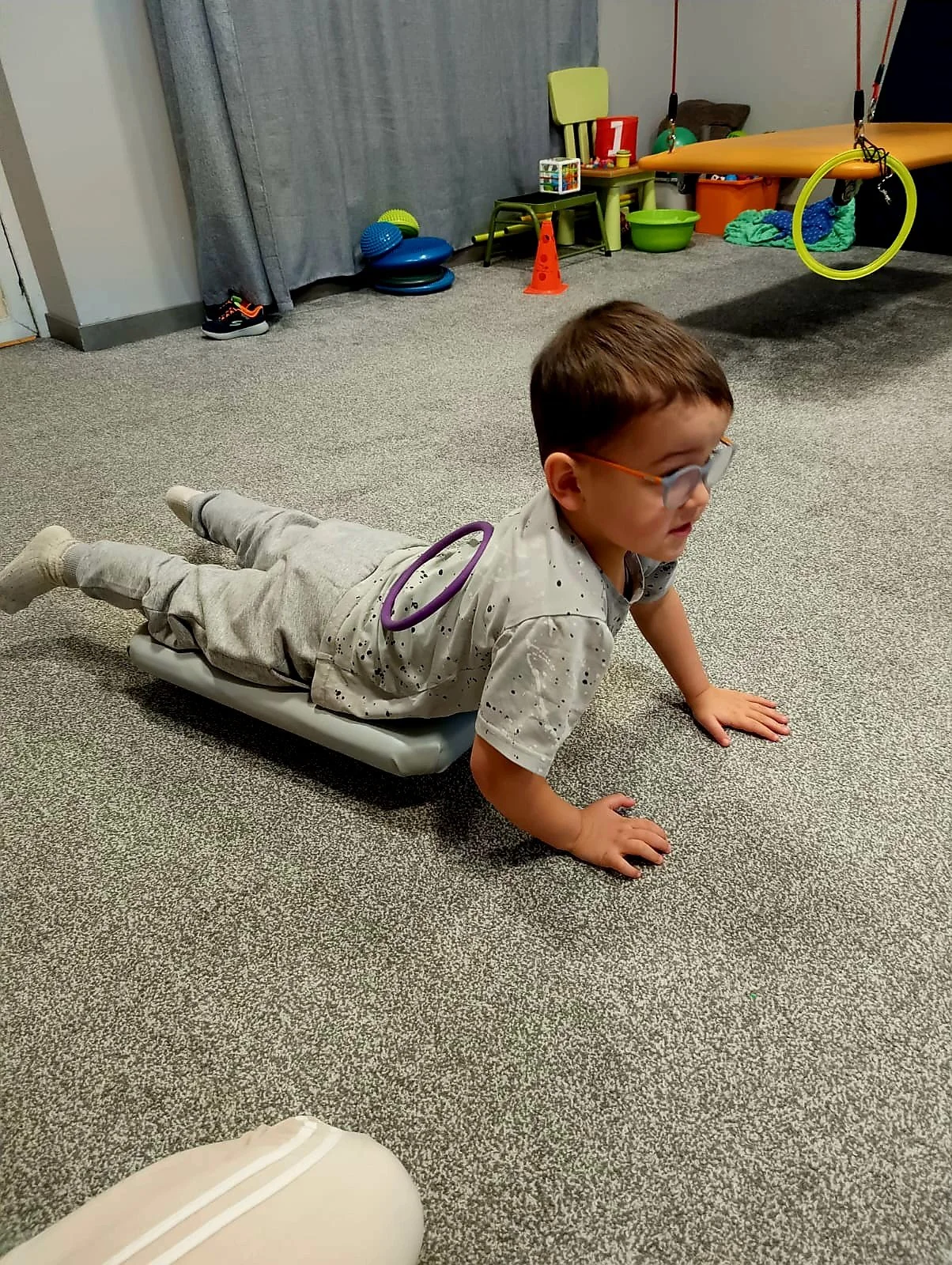
Wojtek’s Developmental milestones were significantly delayed, and progress was consistently postponed. He began walking late, at approximately 2.5 years old. His gait was wide-based, unsteady, and uncoordinated, with frequent falls and stumbles. Speech development was also delayed; he began speaking around age 2 and continues to have speech and communication difficulties. The most significant difficulty is vertical nystagmus, which causes substantial problems in preschool because Wojtek cannot look down. This makes reading, fine motor skills, and other tasks involving visual coordination very difficult. He is developmentally behind his peers and has balance issues and episodes of involuntary eye movements ("fixations" or "pauses" in gaze). He also experiences speech and communication difficulties, along with autism spectrum disorder.
Diagnoses
CACNA1A-related Neurodevelopmental Disorder
Developmental Delay
Vertical nystagmus (pupillary oscillations)
Autism spectrum disorder
Balance Disorder
Auditory processing difficulties
Speech and language impairment
Suspected cerebellar atrophy (currently under diagnostic evaluation)
Therapies/Education
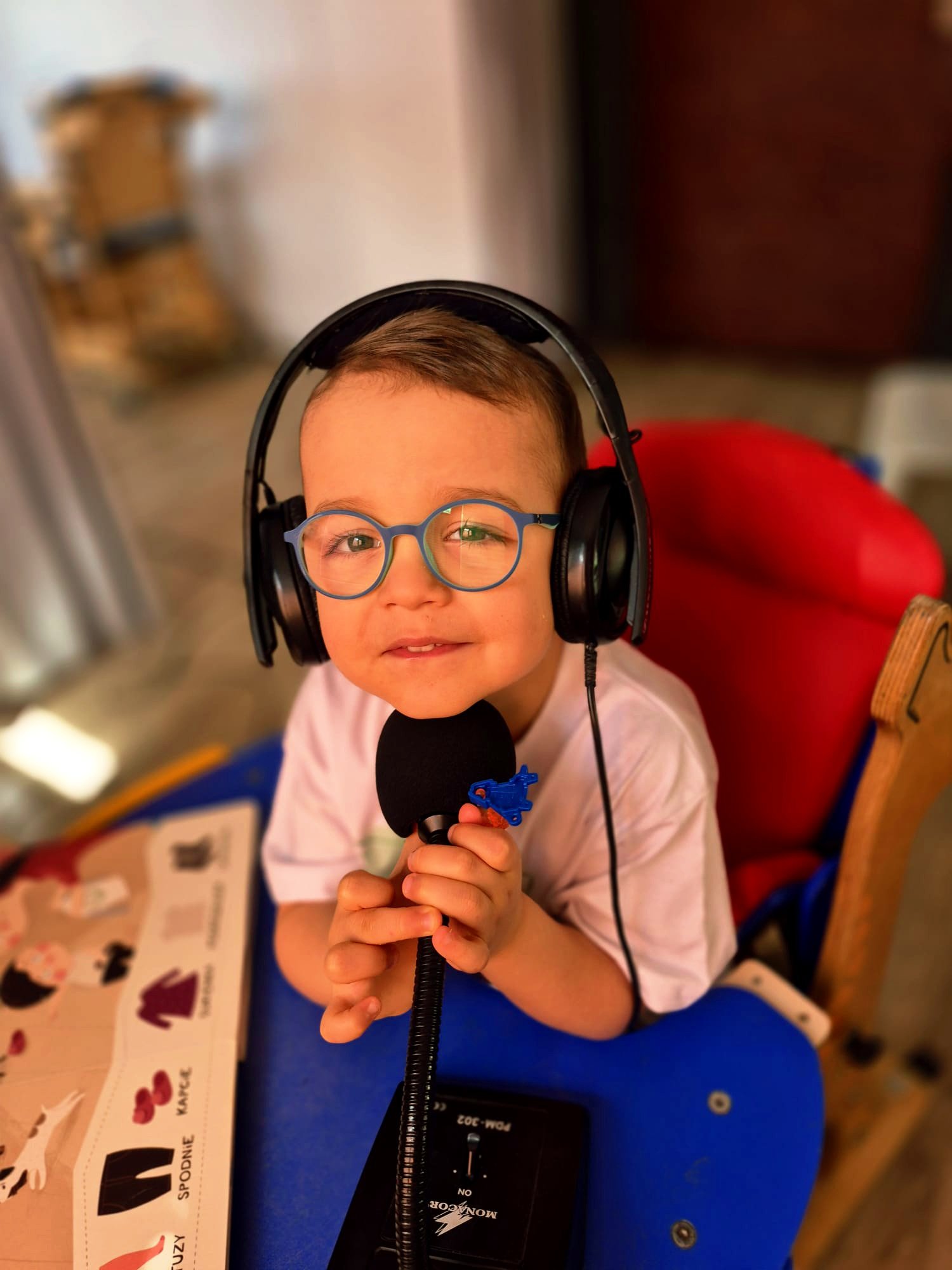
Wojtek attends a preschool with specialized classes. He participates in a variety of therapies to support his development, including movement and fascial rehabilitation, speech therapy with a neurologopedic specialist, sensory integration therapy, craniosacral therapy, hydrotherapy, osteopathic treatment, hippotherapy (horse-assisted therapy), and Tomatis therapy.
For Those Newly Diagnosed
Patrycja’s advice to other families is to have patience, stay calm, and find strength along the way. Seek help from foundations and connect with other families who understand what you are going through.
It's also important to find specialists who can help and consider having genetic data reanalyzed as new information becomes available.