Braelyn’s Story
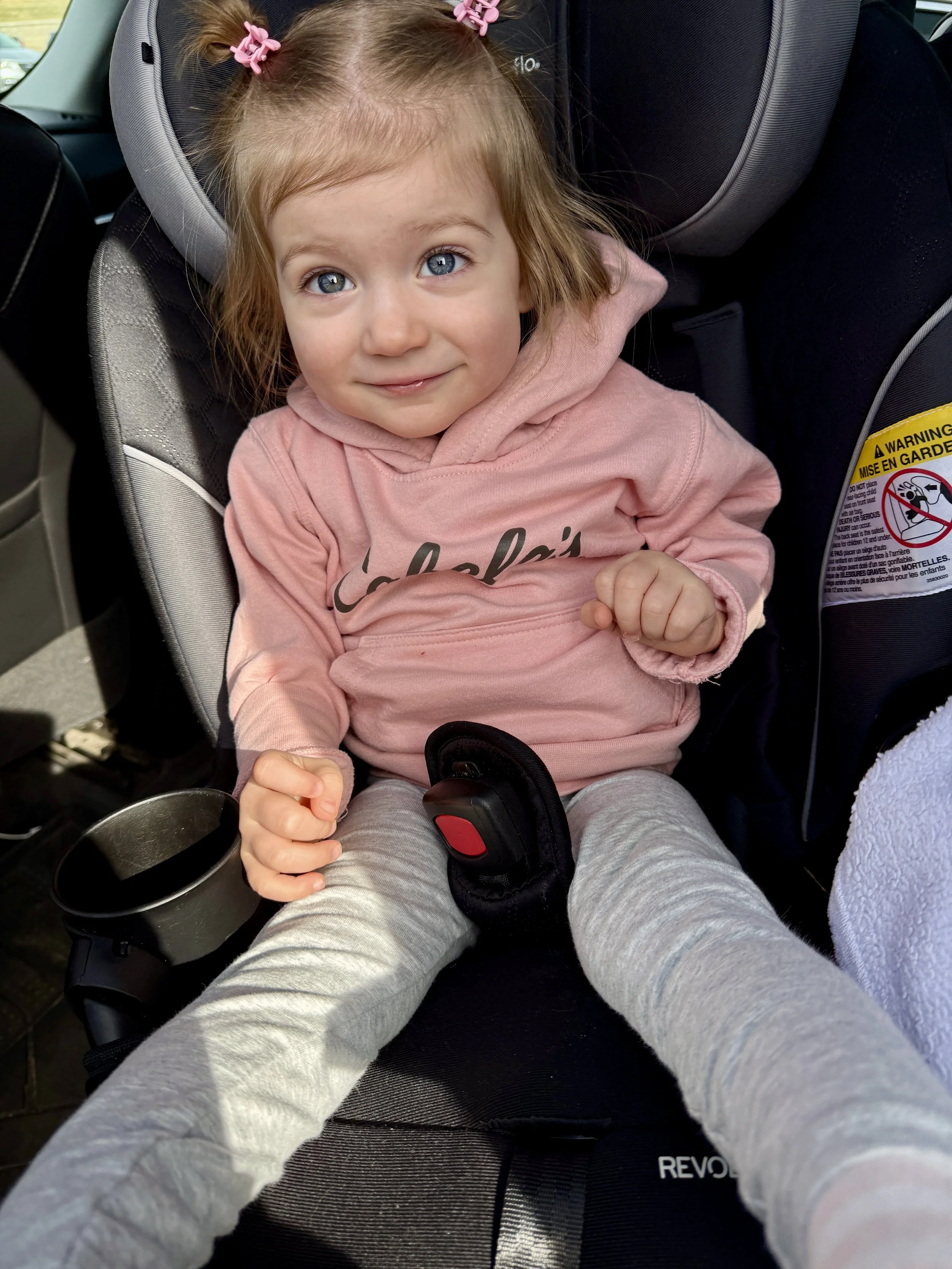
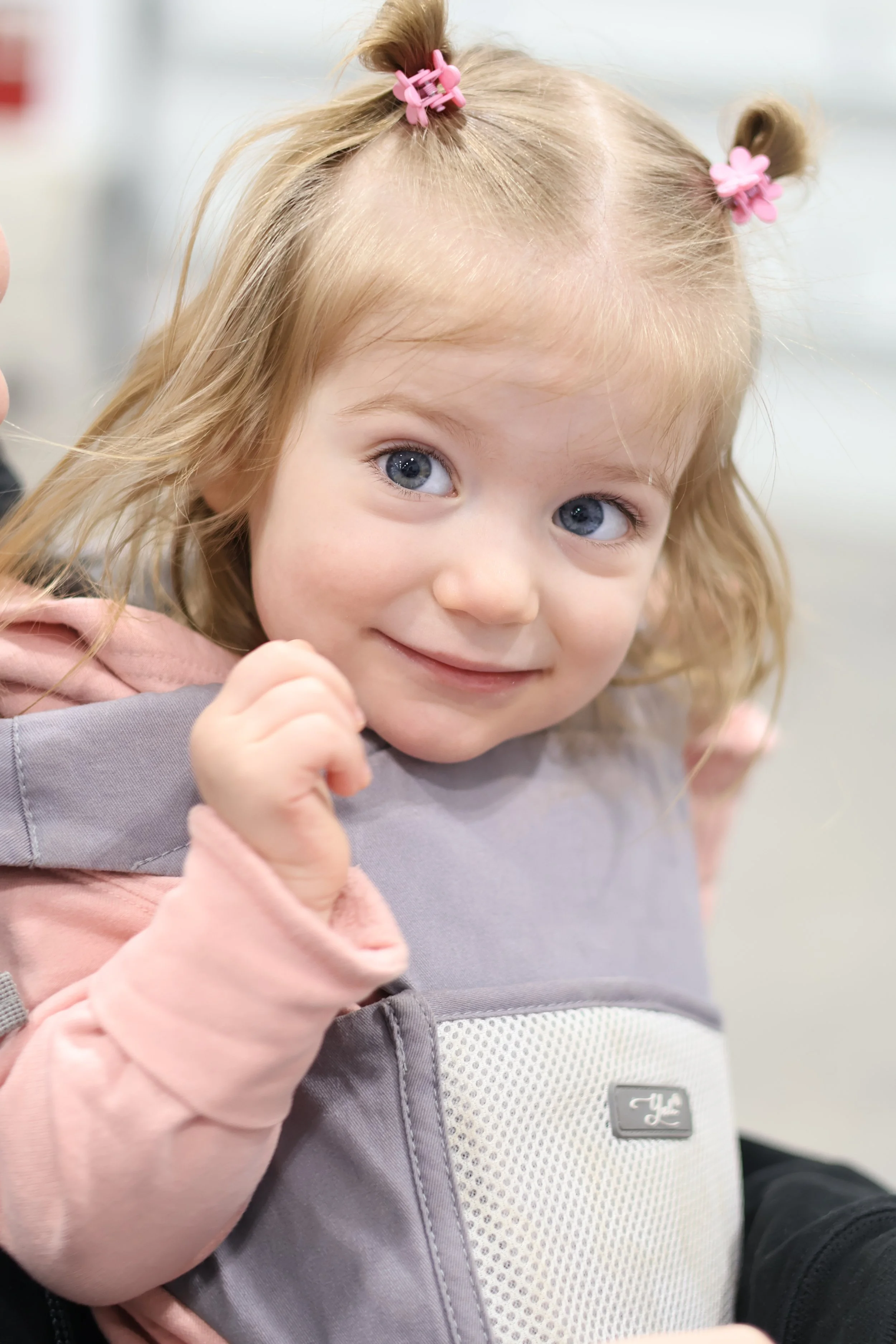
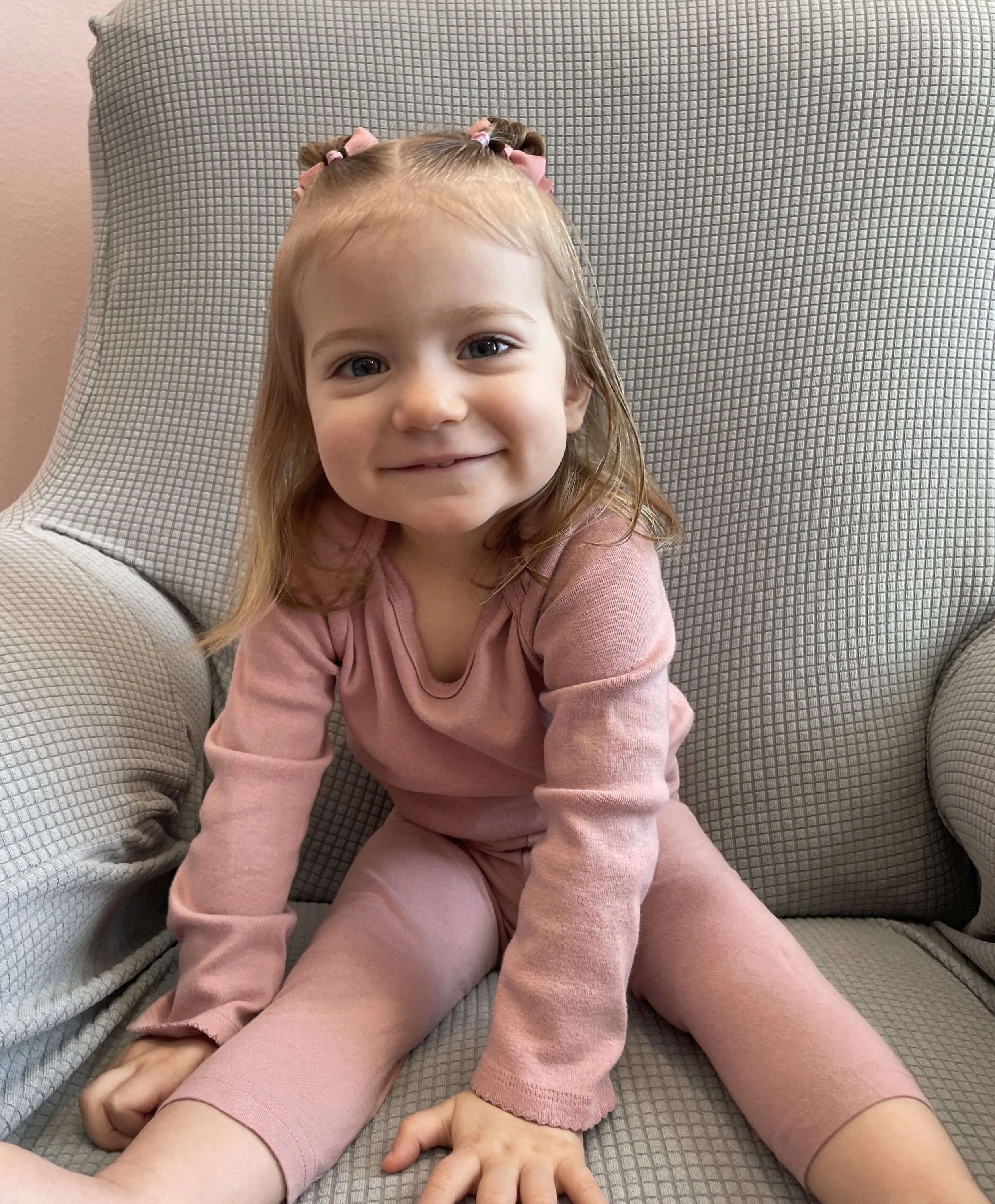
Braelyn is a two-year-old from Wisconsin who was diagnosed with a CACNA1A-related disorder at 11 months old. She experiences ataxia and hypotonia and is nonverbal. Her greatest strengths are her determination and perseverance. She works incredibly hard to accomplish things that don't come easily to her. She approaches everyday tasks with a strong will and an unwavering drive to keep trying, even when they require extra time and effort. Above all, she is full of joy and brings light to those around her every day.
Variant: p. Y1384C
History
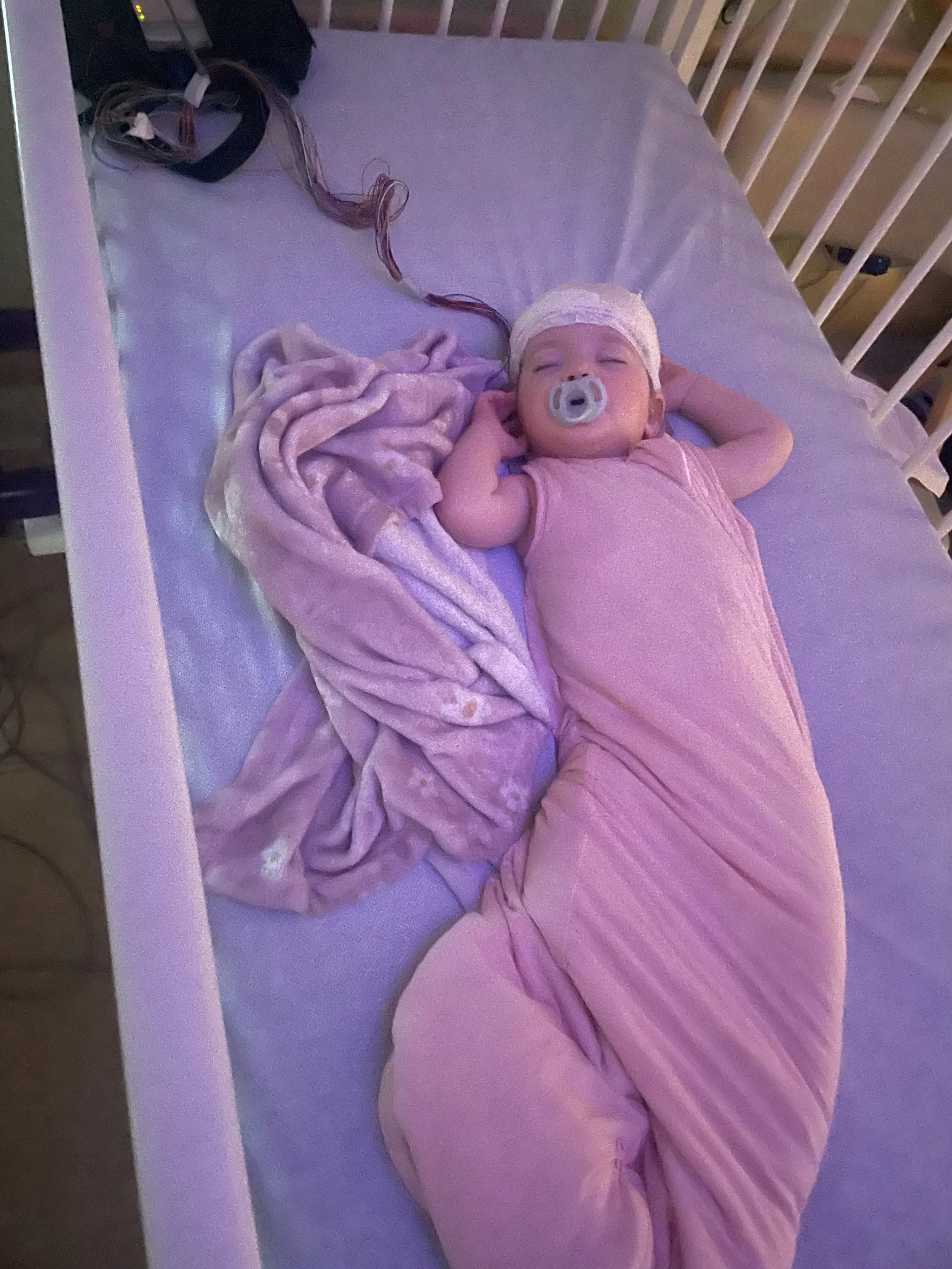
Braelyn’s mom, Ryleigh, tells us that she first began to question Braelyn’s development and atypical movements when she was around 3 months old. During tummy time, instead of beginning to lift her head, Braelyn’s face would press into the floor as if she simply didn’t have the strength to lift it. It felt like she was working so hard at something that should have been starting to come more naturally. Around the same time, she noticed very jittery, uncontrolled movements that didn’t seem typical. As her mom, she had a very strong gut feeling that something wasn’t right. To try to make sense of it, she compared videos of Braelyn and her older brother at the same age, and the difference was hard to ignore. Braelyn was clearly behind.
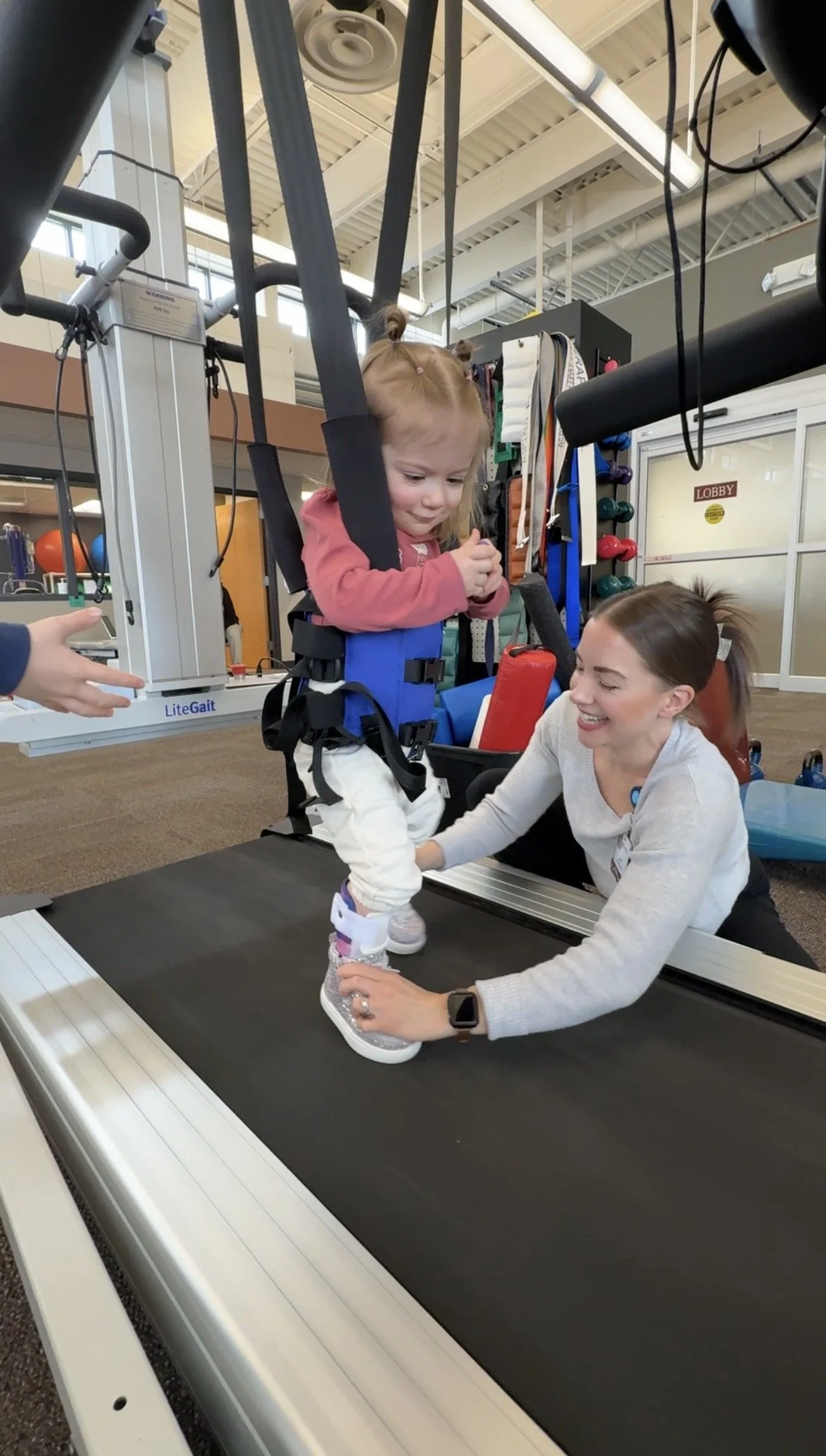
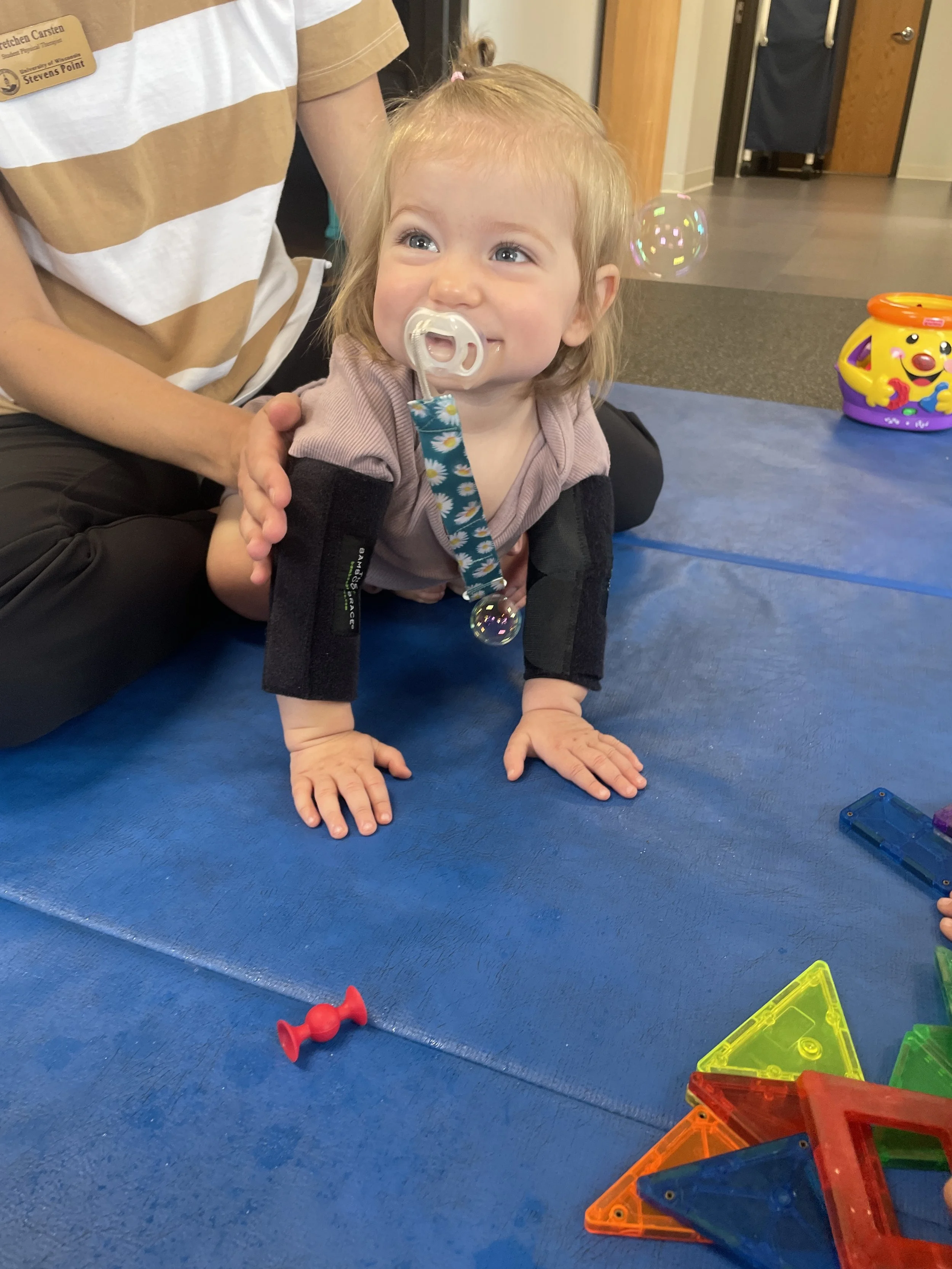
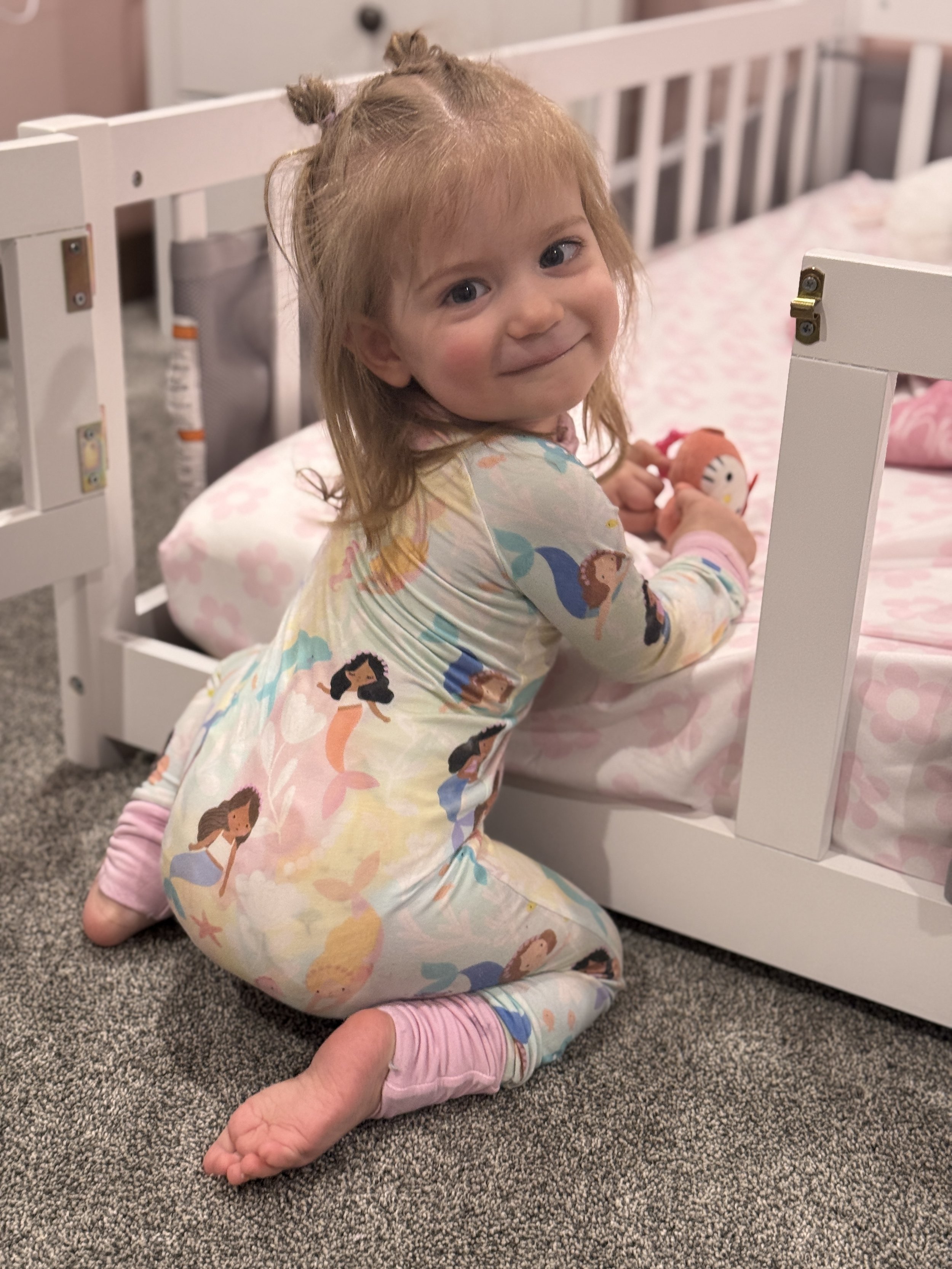
Braelyn has continued to reach milestones, but at a significantly delayed pace. She gained better head control around 8 months old. She learned to tripod sit at 16 months and, at 2 years old, still needs to support herself with her hands because of her ataxia. At 18 months, she developed her own unique way of getting around by pulling herself forward with her arms while dragging her lower body behind her. We affectionately call it her "inchworm." At 2½ years old, she is still unable to stand independently or walk.
Braelyn's developmental delays affect her gross motor skills, fine motor skills, and speech. Because of hypotonia and ataxia, she struggles with muscle strength, balance, and coordination, making even basic movements difficult. Skills such as holding her head up, sitting, crawling, and bearing weight through her arms and legs have all taken much longer to develop. Her movements are often unsteady, and she has to exert an incredible amount of effort and concentration to control her body. These challenges affect her mobility, independence, and ability to explore and interact with the world around her.
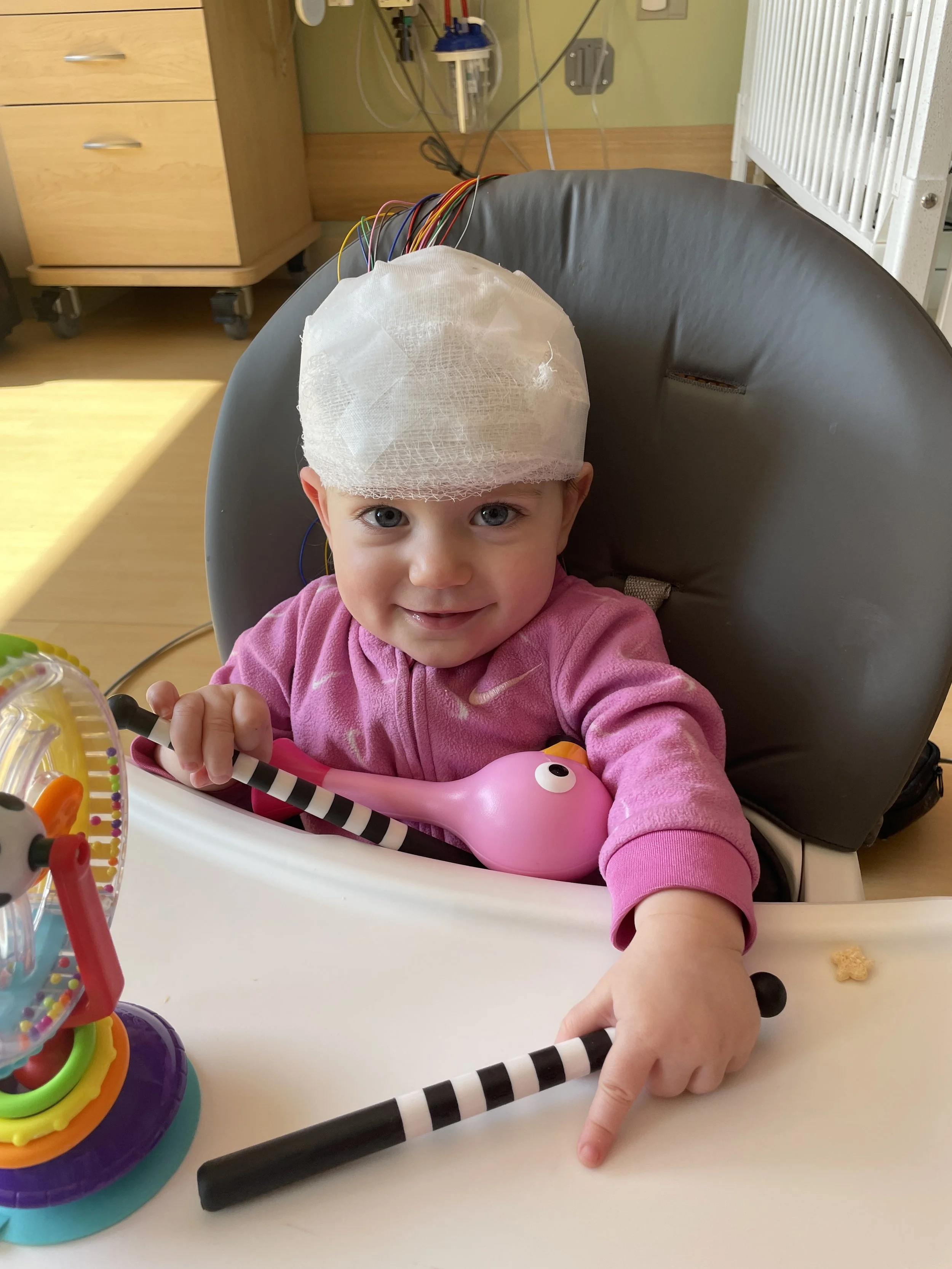
Braelyn’s parents first brought their concerns to Braelyn’s pediatrician when she was 3 months old. We were referred to physical therapy, but reassured that head control typically wasn't a concern until closer to 6 months of age. By 5 months, we continued to voice our concerns because her development still didn't seem typical, which led to a referral to neurology. At 7 months old, Braelyn underwent a brain MRI, which came back normal and left us with more questions than answers.
With no clear explanation, we were referred to genetics and pursued Clinical Exome Sequence Analysis. When Braelyn was 11 months old, we finally received an answer: she had a CACNA1A-related disorder.
Today, Braelyn's greatest challenges are controlling and coordinating her body. Because of hypotonia and ataxia, everyday movements require tremendous effort, making mobility and independence an ongoing challenge. She also has significant speech delays and is currently nonverbal. Although she understands much of what is said to her, she often becomes frustrated when she wants something but cannot communicate her needs.
Diagnoses
Braelyn's medical history includes hypotonia, ataxia, strabismus, nystagmus, and global developmental delay. She has also developed secondary conditions, including hip dysplasia related to delayed weight bearing and chronic constipation.
Therapies
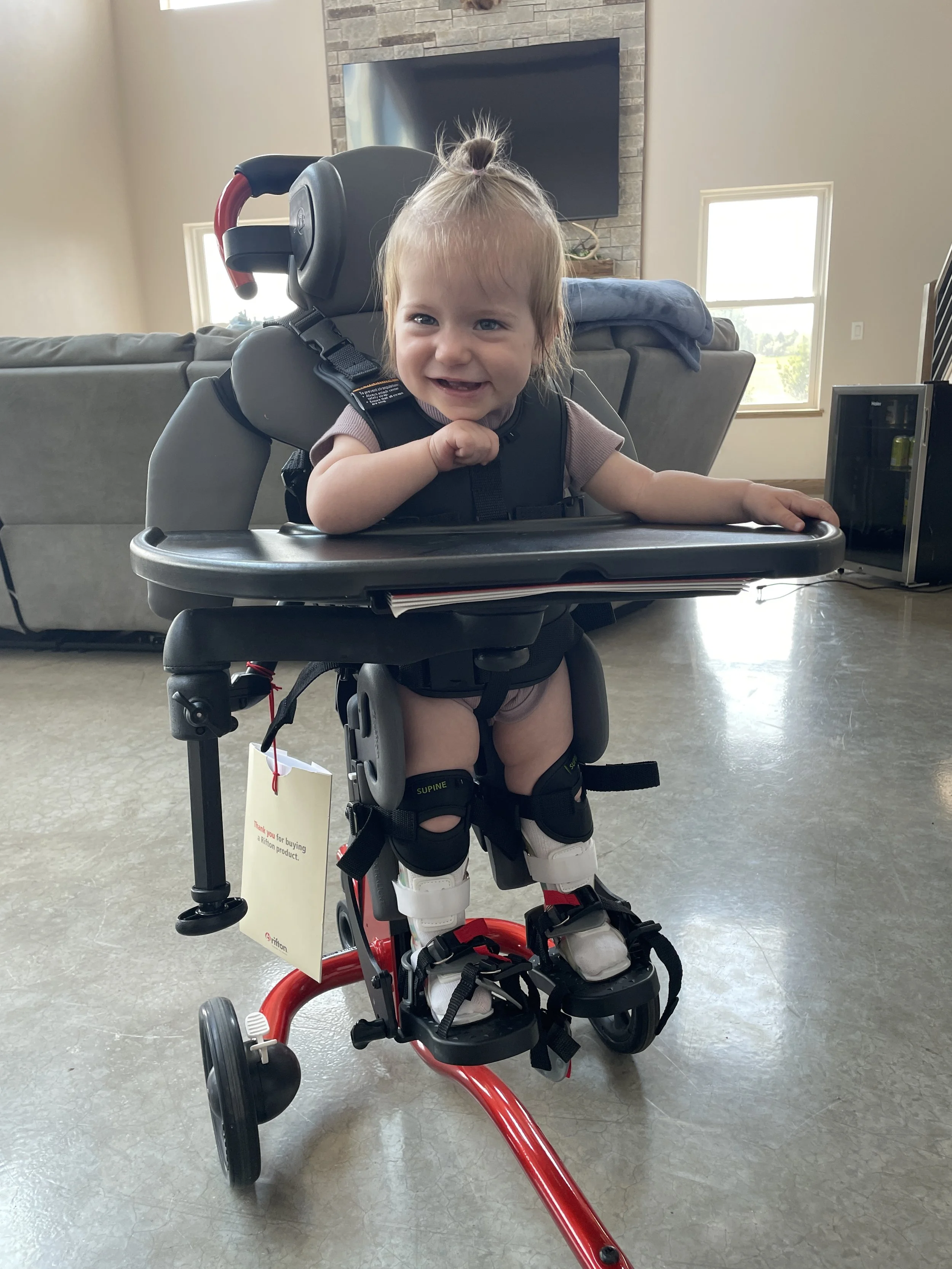
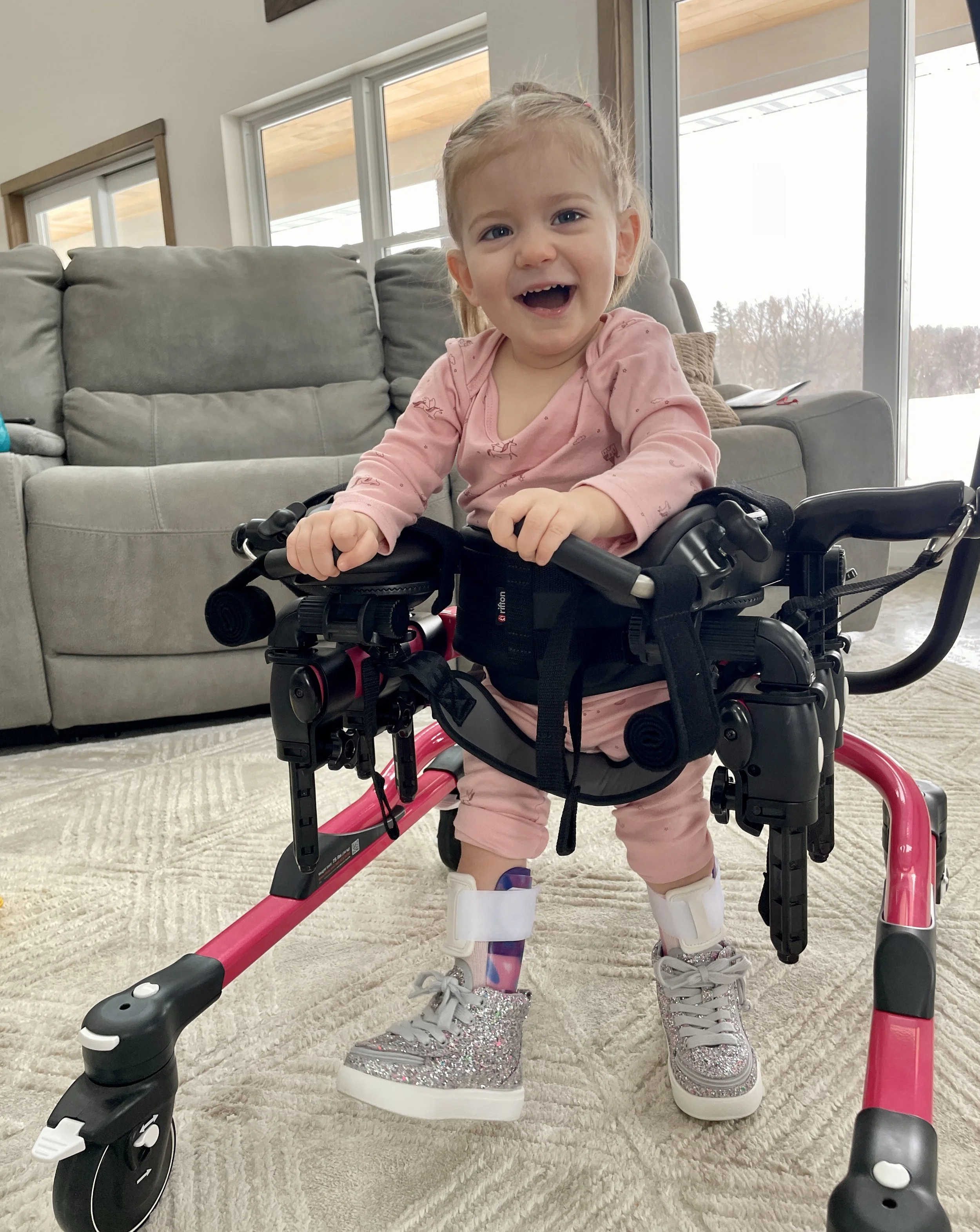
Braelyn participates in physical, occupational, and speech therapy. These therapies have each played an important role in helping Braelyn build strength, improve coordination, work toward mobility milestones, and develop communication skills. Her therapists have also helped secure the equipment she needs, including a stander, gait trainer, AFOs, a compression vest, a wheelchair, and an AAC device to support communication.
For Those Newly Diagnosed
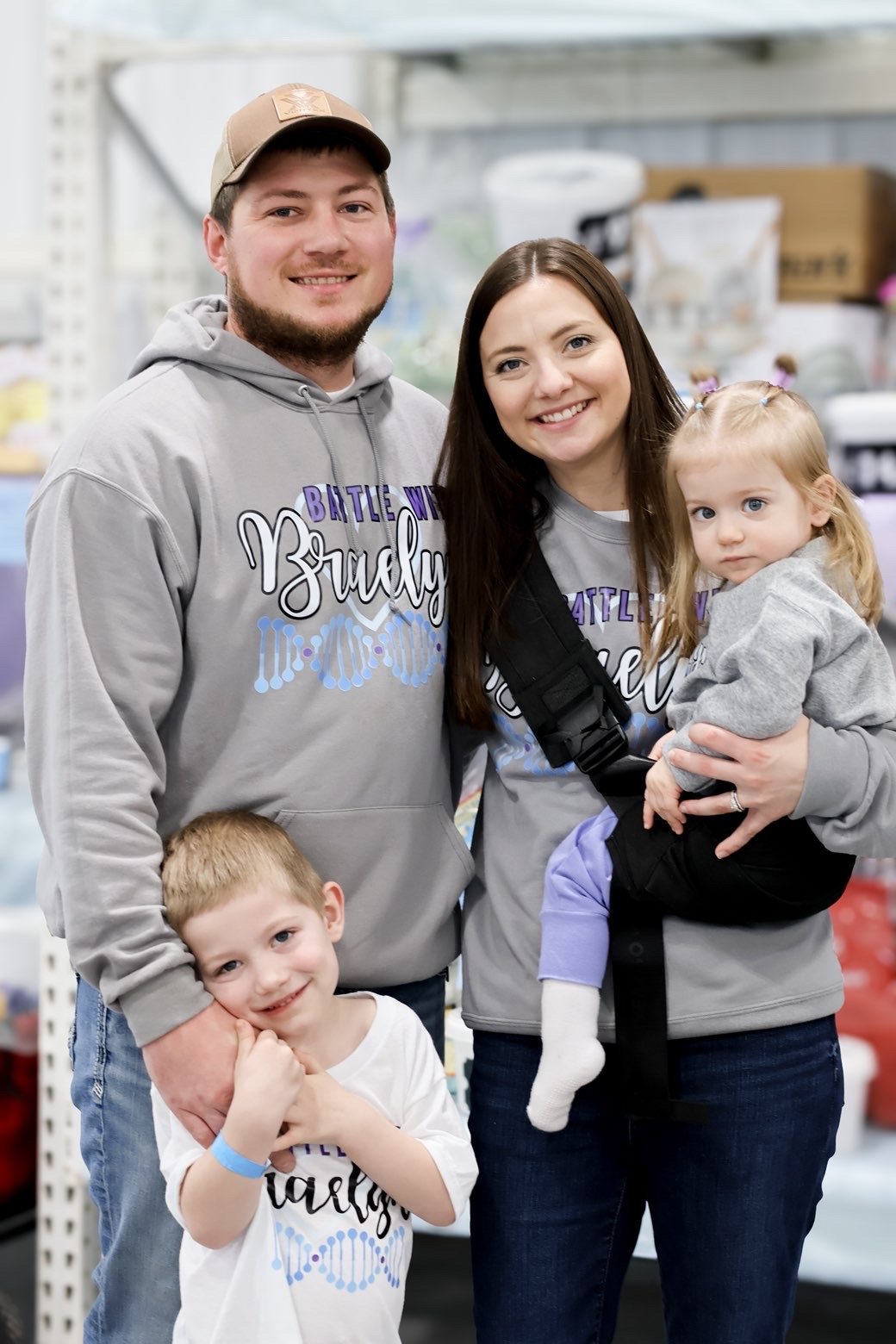
Remember, you were chosen to be your child's parent for a reason. They were entrusted to you. You are exactly who they need, and no one will love them the way you do.
Never be afraid to advocate. You know your child best, and your voice matters.
Give yourself grace. You don’t always have to be positive, and that’s okay. There will be days when life feels unfair, and you're allowed to grieve the life you once imagined for your child. Along this journey, you'll discover a strength you never knew you had.
You will find a deeper sense of joy and excitement in moments that are simple to others because you know the work it took to get there. Celebrate those moments. They may seem small to someone else, but they are everything.